Tag Archives: modern life

Time Returned, Time Resold

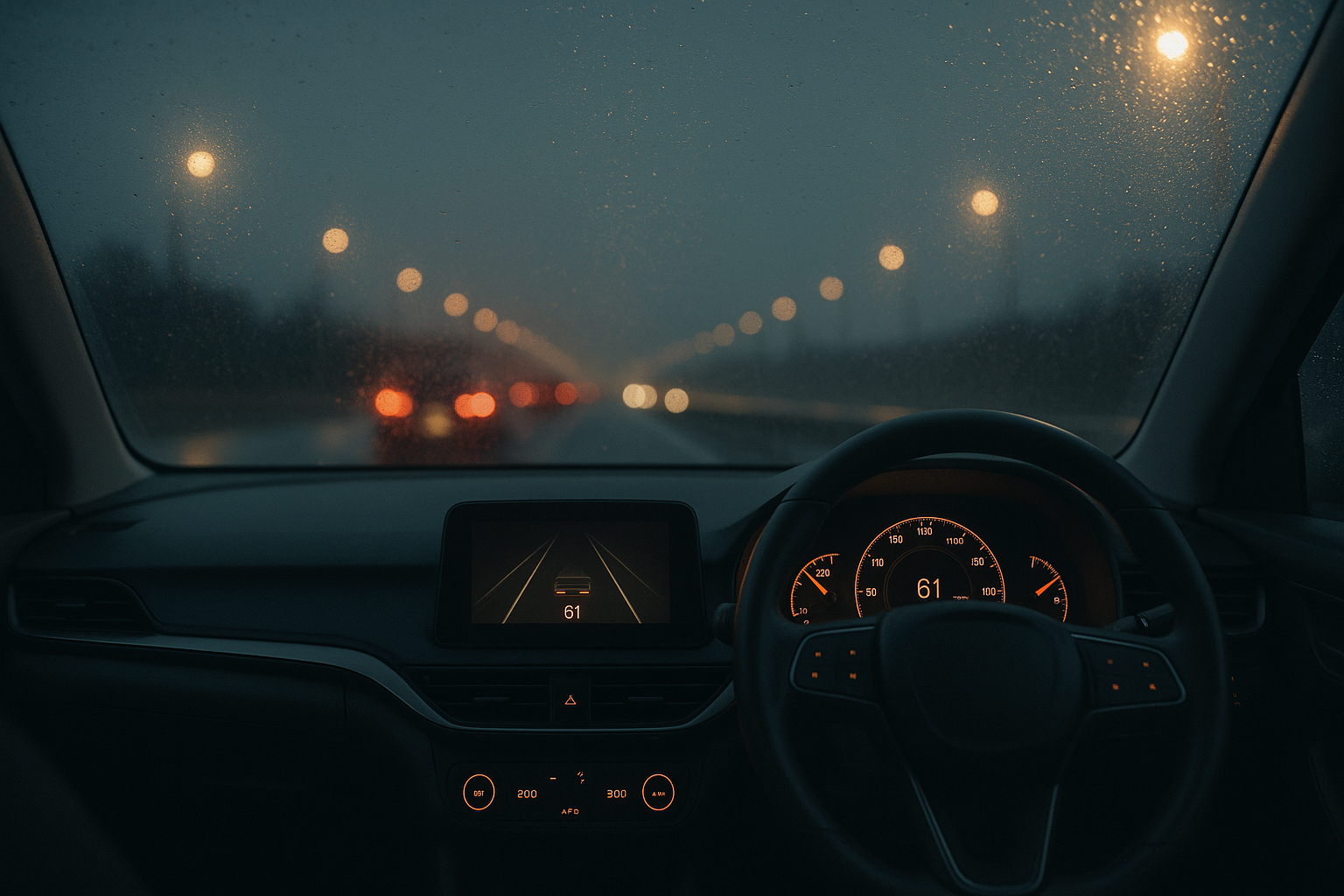
Rain-blurred motorway at dusk viewed through a windscreen; dashboard lights glow amber in an empty driver’s seat — a quiet image of autonomy and time unclaimed.
Autonomy promised freedom. Instead, it gave us metrics.

Every few years a new invention turns up promising to give us time back. The dishwasher did it, then the calendar app, now the self-driving car. Efficiency, they say, is liberation. But the minutes never come home. They’re quietly re-employed: answering messages that weren’t urgent until we saw them, scrolling through news we already half-read. We don’t get more time. It just comes back wearing a different outfit.

Design now speaks the intoxicating language of generosity. We’ll save you clicks. We’ll make it seamless. Lovely words, but they come with a tempo you didn’t choose. The system nudges, reminds, congratulates you on your streak. Even the oven chirps when it’s done pre-heating. Helpful, yes – in the way a personal trainer is helpful when all you wanted was a walk.

Efficiency was meant to hush the world, not make it chatter. Parcels update you mid-journey, cars suggest faster routes, TV apps interrupt the credits to make sure you don’t go off to bed just yet. You start to feel managed by your own apps and appliances. Is it me, or do they all sound slightly pleased with themselves?

Still, there is a deeper promise in all this autonomy. Because the best thing about a self-driving car isn’t speed, it’s permission. The choice to drive when you want to: for rhythm, for presence, for drivers like me who relish the satisfaction of line and camber, and to switch off when you don’t. The long crawl north to the Lakes. The dawn blast to the airport. The late-night, rain-spray-soaked slog home when you’d gladly hand over the wheel and let the motorway unspool while you exhale, watch the window-light flicker, maybe half-doze through an episode of something forgettable. Control should be optional, not constant.

That’s what the technology could be about: selective surrender or a quieter freedom. But for some unfathomable reason, the marketing and product design departments have decided autonomy is best packaged as constant optimisation. That means another dashboard app full of metrics and prompts and juanty reminders. We built cars clever enough to drive themselves, then gave them personalities that never stop talking.

Real luxury now isn’t speed but discretion: the right to decide how long something should take. To drive when you feel like driving. To look out of the window when you don’t. Technology can make both possible.

Convenience promised to return our hours, but mostly it’s taught us to account for them. Every minute feels spoken for. Perhaps the odd thing is how willingly we’ve agreed to it and the peculiar pleasure we take in shaving seconds off tasks we didn’t enjoy anyway.

Maybe the best thing a self-driving car could do is forget the ETA and let us forget, too.

AI: This piece was refined with AI, for the image prompt, tags, excerpt, and a little sub-editing. The ideas, references, and rhythm are mine.
Tagged , , , , , , , , , , , , , ,

Life’s Too Short to Scrape the Lurpak. But Maybe That’s the Point

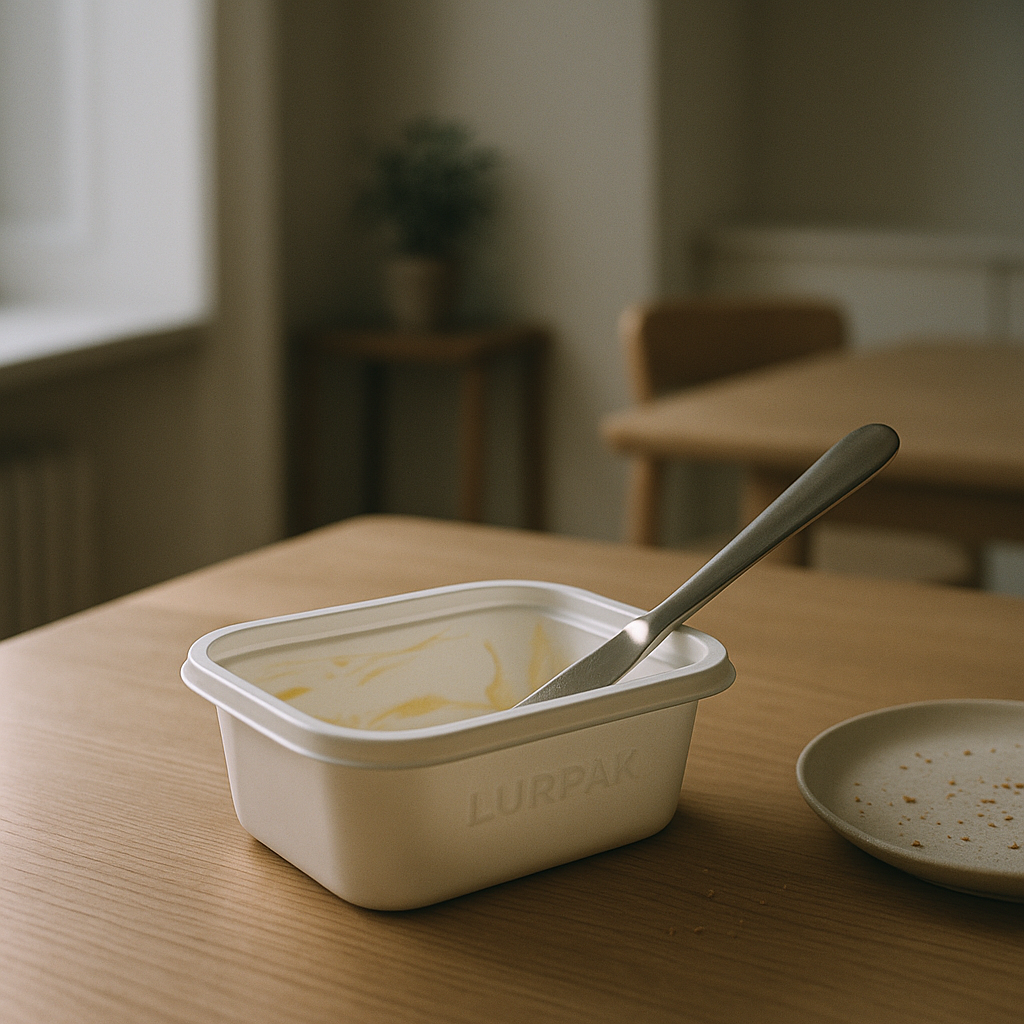
A nearly empty white Lurpak butter tub with a stainless steel knife inside sits on a light wooden kitchen countertop. Beside it is a small ceramic plate scattered with toast crumbs. Soft daylight falls from the left, casting gentle shadows across the minimalist, muted interior with wooden furniture and a blurred potted plant in the background.
Life’s too short to be buttering existential crises out of a plastic tub.

This morning I found myself scraping the bottom of a Lurpak tub.

A white, gently bowing receptacle with just enough residual butter to tease the knife, but not enough to make it worth the effort. And yet, there I was: wrist contorted, scraping sideways, skimming over craters of cold margarine laminate, determined to liberate one last smear.

For toast.

I paused, mid-scrape, and felt the creeping absurdity of it all. Why do we do this? This frugal choreography. This dignified desperation. Is it habit? Shame? Some Protestant hangover of moral rectitude that equates waste with weakness?

Or is it worse than that, is it training?

A kind of domesticated eco-asceticism, learned not out of genuine conviction but out of decades of thinly veiled moral instruction. Don’t waste. Save scraps. Rinse your yoghurt pots. Aspire to net zero in all things, including pleasure. Butter, it turns out, is not neutral.

I don’t want to be the kind of man who scrapes the last dregs of butter from the corners of a tub. It feels small. Slightly emasculating. A man reduced to margarine management. And yet, aren’t these the very values we claim to admire? Moderation. Responsibility. The quiet dignity of thrift.

There’s a strange modern tension here: the aesthetic of abundance, paired with the rituals of restraint. Middle-class frugality presented as virtue. A lifestyle of minimalism, yes, but premium minimalism. We don’t waste Lurpak because it costs £4.50 a tub. Because we bought the “Spreadable” version as a treat and now feel complicit in dairy decadence.

But scratch deeper and it’s not really about the butter at all.

It’s about effort. It’s about where we place it. We pour our energies into small, containable acts of domestic diligence because the larger systems feel untouchable. We cannot fix politics, housing, the climate, or the cultural entropy of our time, but by God, can we finish a tub of butter.

And maybe that’s OK. Maybe part of surviving modern life is choosing the scale at which we can still act meaningfully, however trivial it seems. Scraping the butter is absurd. But so is most of life, and at least this kind of absurdity ends with warm toast.

Still, I didn’t finish it. I threw the tub away, started a new one, and felt a small thrill of liberation.

No one applauds the man who knows when to stop scraping. But they should.

Tagged , , , , , , , , , , , , , , , , ,