I’ve been through the Cybex catalogue more than once. Our son (2014) graduated seat by seat. Our daughter (2023) reset the cycle. That’s two children, multiple seats, a base, plus the odd accessory. All dutifully registered with Cybex’s Club, a loyalty scheme that promises free shipping, birthday treats, “exclusive offers” , y’know, the usual garnish.
This isn’t a flex. Cybex is high-end stuff, and we bought it because I lost a friend and his son in a dreadful car accident years ago and I became obsessed with buying the very best. That said …
Here’s how loyalty actually played out:
- Jul-Sep 2023 — I registered three products: Cloud T (baby seat), Base T (for same), Sol Z-fix (Child’s booster). About 136 points earned.
- Nov 2023 — a 100-point “bonus” dropped.
- Summer–Autumn 2024 — the slow bleed: –45, –86, –5, –100. By the end of the year, the balance was gone. I saw the expiry warnings, but they were irrelevant – I didn’t need new products at that point.
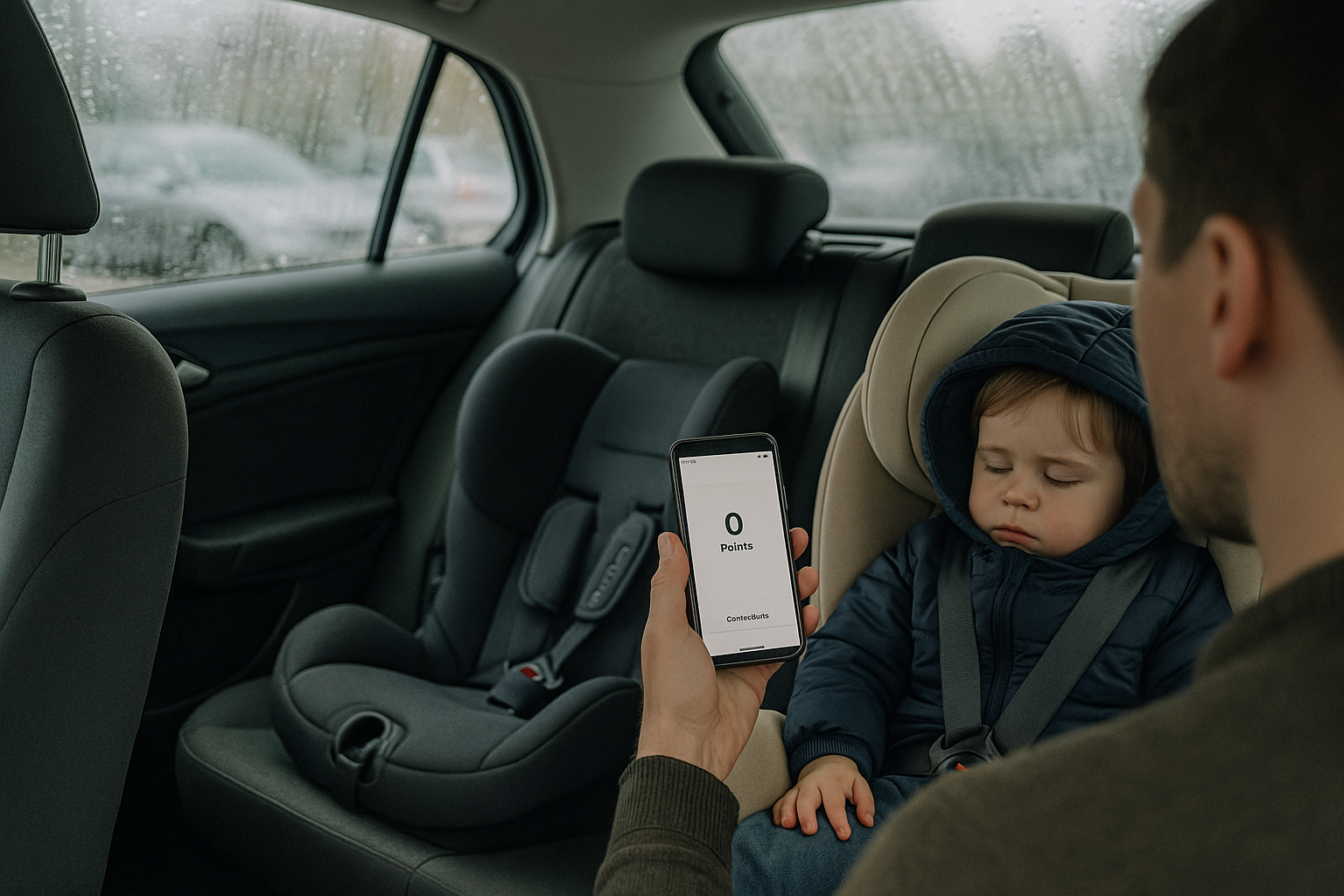
- Sep 2025 — I came back for our daughter’s next seat, the Sirona. Logged in before checkout: 0 points. Of course, after paying the account lit up with +150 “bonus”.
So the scheme doesn’t reward loyalty at all (beyond ‘free postage’). It rewards the purchase you’ve just made. A pat on the back after you’ve handed over your card.
I think you see where I’m going though, the deeper flaw is structural. Car seats don’t follow marketing calendars; they follow biology. Parents buy in long arcs: infant to toddler, toddler to child, every two to four years. A one-year expiry is a guaranteed wipeout. The cadence of childhood doesn’t match the cadence of a CRM dashboard.
What would a loyalty scheme look like if it took parenthood seriously?
- Milestones – reward the upgrade points: newborn → toddler → child → booster.
- Moments – top-ups on birthdays or product anniversaries, nudges to check fittings and sizes/weights, effectively MOT-style safety checks.
- Upgrade triggers – automatic credits seeded ahead of the next seat, not after it.
- Accessories and cover — redeemable on spare covers, pads, travel bags. Or fold them into warranty extensions — the things parents actually use between major purchases.
- Recycling – the chronic gap. Car seats can’t be resold, gifting feels reckless, and regulations block obvious reuse. A scheme could collect and recycle them responsibly, with credits back for doing the right thing.
- Family pooling — roll credits across siblings so value doesn’t die with one child’s cycle.
None of that is radical. It just respects the rhythm of a family’s life.
Instead, the experience feels like bait and switch: promises on the front page, expiry in the small print. Which is clever if the goal is data capture, catastrophic if the goal is trust.
Of course, I still bought the Sirona. Safety and product quality trump irritation. But the goodwill is thinner now. The wider lesson is simple: if your model ignores the customer’s real timeline, you’re not building loyalty. You’re designing disappointment.
 John Gibbard